Read time: 6 minutes
TL;DR: I use a cashback rewards card (in my case, the Crypto.com Visa debit card) to turn normal spending into small amounts of crypto. It’s not a get‑rich‑quick strategy — it’s just a way to make my existing spending slightly more efficient. There are also traditional cashback cards and Qantas points cards that work similarly. This article explains how the system works, the pros and cons, and my personal experience.
If you want to try the Crypto.com card, here’s my referral code:
👉 Use my Crypto.com referral link to get some bonus crypto
You’ll usually get a small signup bonus depending on current promotions.
Why I Started Doing This
Most people spend money every week on:
- groceries
- petrol
- eating out
- online shopping
- subscriptions
And most of that spending earns nothing.
I wanted a way to make my spending work a little harder — not by spending more, but by getting something back for the spending I already do.
That’s where cashback cards come in.
What Cashback Cards Actually Do
Cashback cards give you a small percentage of your spending back in the form of:
- cash
- points
- rewards
- or (in my case) crypto
The idea is simple:
You spend $100 → you get a small reward back → over time it adds up.
It’s not life‑changing money, but it’s free value on top of spending you were going to do anyway.
How the Crypto.com Visa Card Works (My Setup)
I personally use the Crypto.com Visa debit card, which gives cashback in the form of CRO tokens.
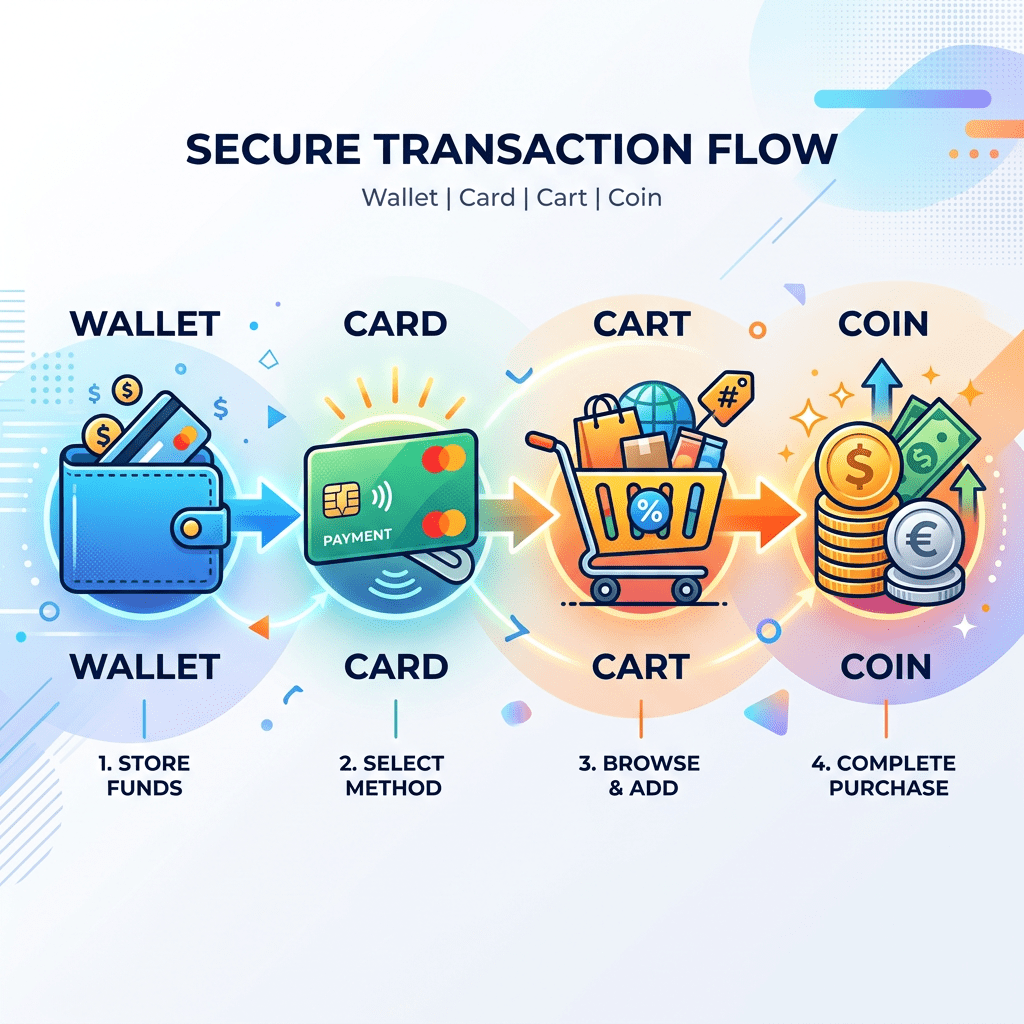
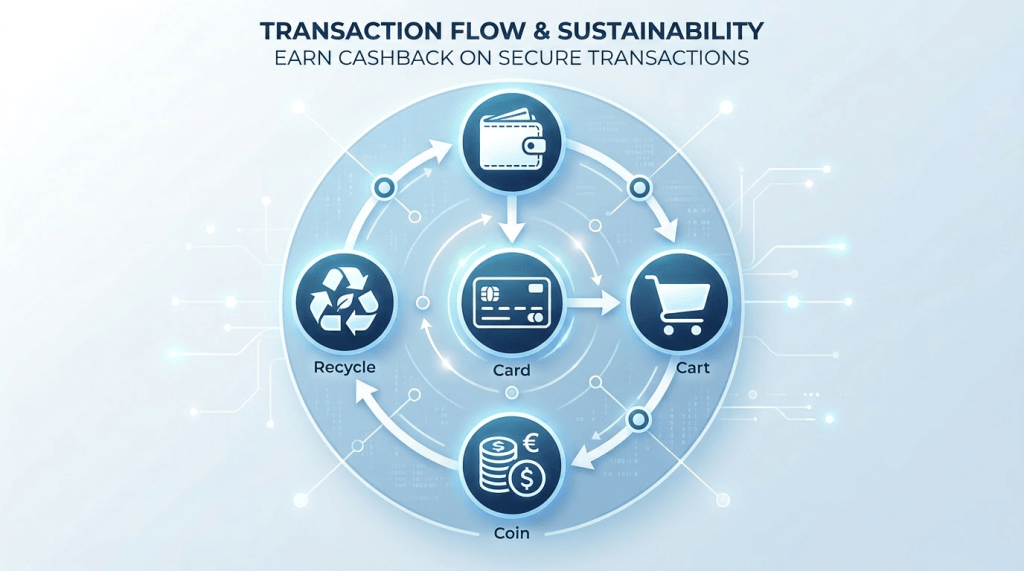
Here’s the basic flow:
- I top up the card with my normal spending money
- I use it for everyday purchases
- I earn a small percentage back in CRO
- That CRO sits in my account and can be held, swapped, or staked
It’s essentially a way to turn:
“spending money” → “small weekly crypto drip”
Again, not a wealth strategy — just a small optimisation.
Other Cashback Options (Non‑Crypto)
If you don’t want crypto rewards, there are plenty of traditional options:
1. Cashback cards from major banks
Some Australian banks offer:
- 1–2% cashback
- capped monthly rewards
- rotating categories
I haven’t personally used these, but they exist and work similarly.
2. Qantas / Velocity points cards
These convert your spending into:
- Qantas Points
- Velocity Points
- travel rewards
- upgrades
These can be valuable if you travel often or know how to redeem points efficiently.
3. Store‑specific cashback apps
Platforms like:
- ShopBack
- Cashrewards
…give cashback for online purchases.
All of these are valid alternatives depending on your goals.
The Benefits of Using a Cashback Card
Here’s what I like about the system:
✔ You earn something for spending you were already going to do
No extra effort, no extra cost.
✔ It builds up over time
Even small percentages add up across a year.
✔ It feels good psychologically
It turns spending into something slightly productive.
✔ It’s simple
No complicated investing strategy required.
The Downsides (Important to Know)
Cashback cards are not magic.
❌ Cashback rates can change
Programs adjust rewards over time.
❌ You must avoid overspending
Cashback is pointless if you spend more than you normally would.
❌ Crypto rewards fluctuate
If you choose crypto cashback, the value can go up or down.
❌ Not all merchants support all cards
Especially with prepaid or digital cards.
Who This Strategy Is Good For
This approach works best if you:
- already have a weekly spending budget
- want to optimise your spending slightly
- like the idea of small passive rewards
- understand that cashback ≠ investing
- want a simple, low‑effort system
It’s not for people looking for fast returns or high‑risk strategies.
My Personal Experience (Not Financial Advice)
I’ve been using the Crypto.com Visa card for a while now, and here’s what I’ve found:
- It fits neatly into my weekly budgeting system
- I earn a small amount of CRO each week
- It feels like a “bonus” on top of normal spending
- It’s simple and low‑maintenance
- It’s not a wealth‑builder — just a small optimisation
I’m not a financial advisor — this is just what works for me. Always DO YOUR OWN RESEARCH and choose the option that fits your goals.
Want to Try It?
If you want to try the Crypto.com card, here’s my referral code:
👉 Use my Crypto.com referral link to get some bonus crypto
You’ll usually get a small signup bonus depending on current promotions.
Final Thoughts
Cashback cards won’t make you rich — but they can make your spending more efficient.
If you’re already budgeting, already spending responsibly, and want a simple way to squeeze a little extra value out of your weekly expenses, cashback rewards are a clean, low‑effort option.
And if you prefer traditional cashback or Qantas points instead of crypto, those options work too.
 Startinvesting.blog
Leave a comment